Private RPC infrastructure optimized for speed, uptime, and custom workloads.
Global node coverage for low-latency Web3 infrastructure
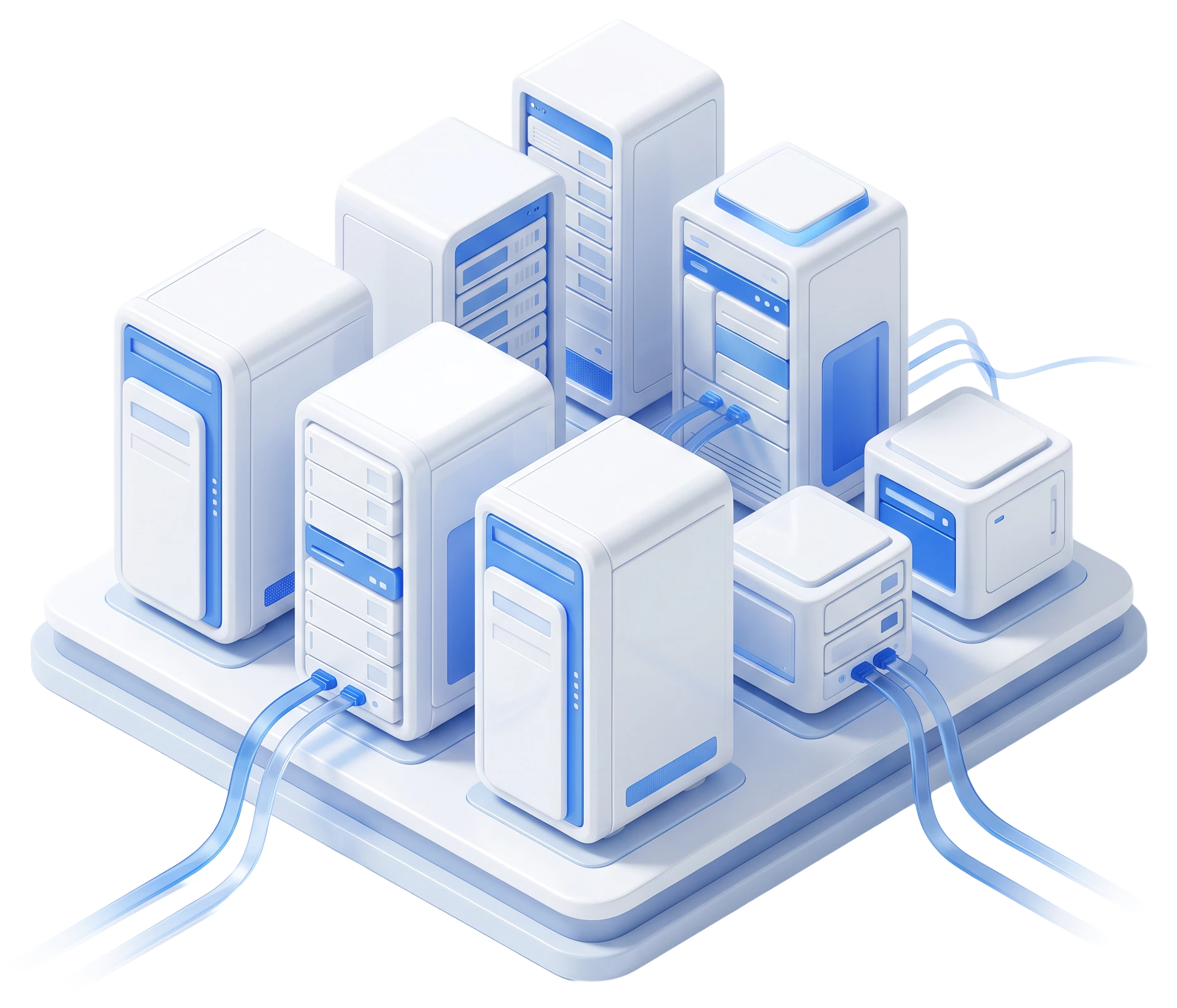
On-premise deployment for maximum performance and control
Custom blockchain node setup tuned to your product and traffic
Unlimited RPS & requests
Your node, your throughput. Send as many requests per second as the hardware can handle — no 200 RPS ceiling, no throttling during peak traffic, no noisy-neighbor contention from other tenants. Built for exchanges, indexers, bots, and any workload with bursty or sustained high volume.
Features
Infrastructure shaped around your product
Custom node configurations tailored to your workload, optimized for throughput, latency, and reliability. Bring your own binaries or design new ones with us, and we handle the implementation.
Node observability
Analytics, monitoring, and custom alerts for your node infrastructure — with private networking to your backend in AWS, GCP, or Azure, avoiding public internet routing.
Method calls breakdownYou use 6 methods
Last 24h
eth_chainId
eth_call
eth_getTransa…
eth_getBala…
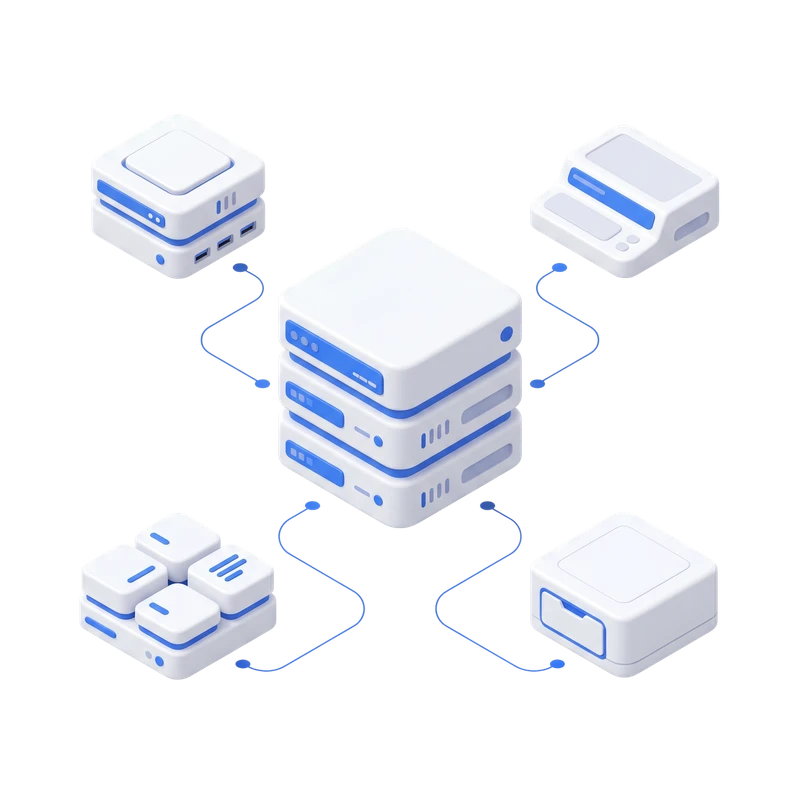
Custom node builds
Bring your own binaries, add-ons, and indexing logic. We can build and run dedicated node environments tailored to your client setup, data access needs, and production infrastructure.
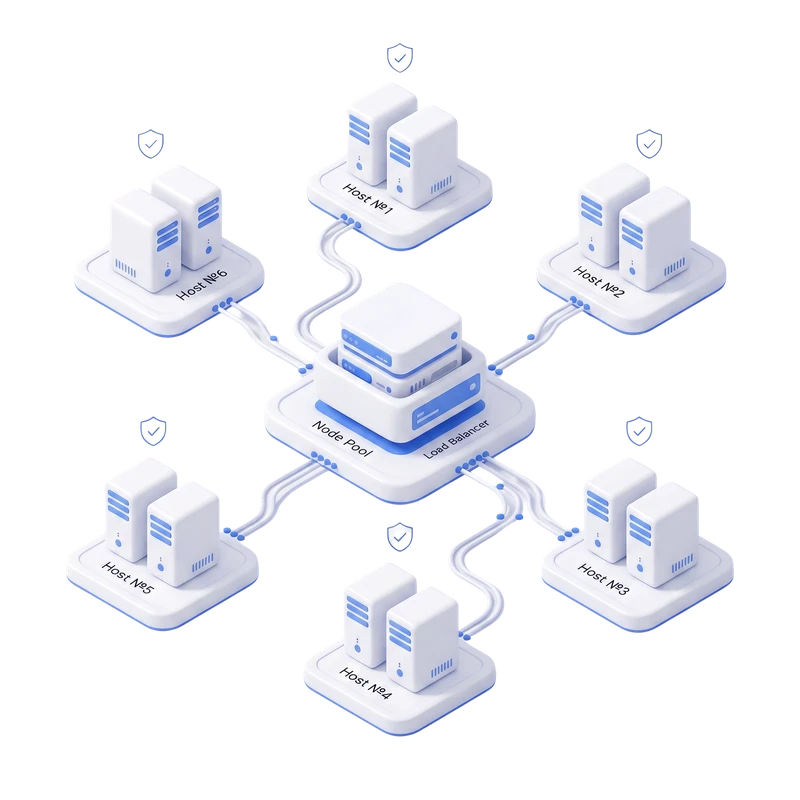
Scalable node infrastructure
Resilient, scalable node clusters with load balancing across multiple nodes — deployed in the region closest to your infrastructure or users for better uptime, throughput, and latency.
Resource and cost tuning
Infrastructure sized and adjusted around real workload patterns to balance performance, scaling, and cost efficiency.
Pro600M CU • 200 RPS
$1,000/ monthPlan is active
The next billing date is December 6
Every team's setup looks different. Tell us what yours needs.
Built for
Custom Node Infrastructure Built for Your Workload
Dedicated nodes are not one-size-fits-all. Pick the closest match — we will show you which parts of our stack matter most for that workload.
MEV & trading bots
Where milliseconds are P&L.
Colocation on the same host as your bot — no network hop
Sub-10ms RPC latency, verified on BSC and Solana
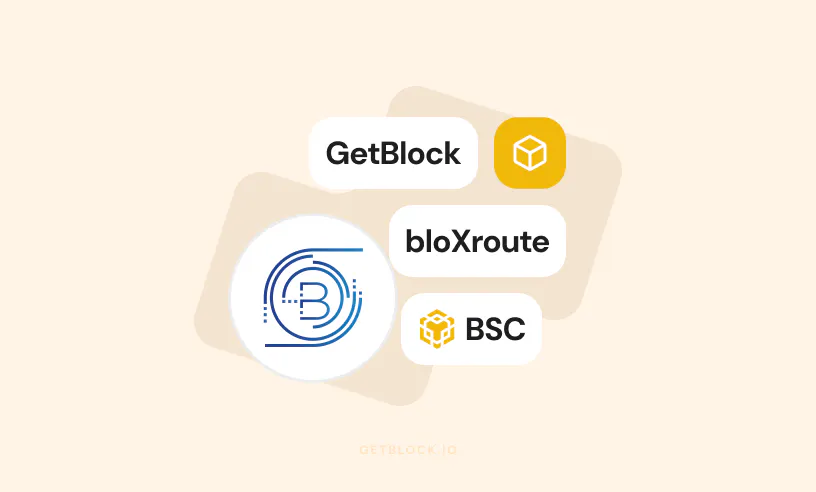
+600ms faster transaction landing via bloXroute integration
Custom RPC methods and non-default namespaces enabled on demand
Performance leader
When speed matters, see the benchmarks
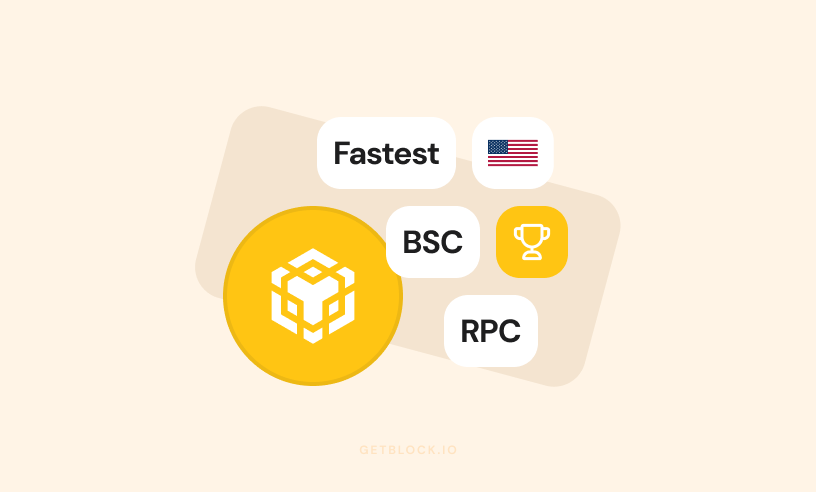
Independently verified by CompareNodes (Q2 2026): fastest Solana in EU and Dubai, fastest BSC in North and South America. Up to 2× faster than leading providers.
Your own isolated blockchain node engineered for high-throughput workloads, HFT and enterprise environments.
Included in price:
Unlimited request volume & throughput
Guaranteed 1,000+ RPS
99.99%+ uptime
On-premise deployment available
Archive data
Various add-ons and plugins
<5-minute support SLA (response time)
Deploy locations: Singapore · Frankfurt · New York
Wallet whitelists & IP allowlists
Custom webhooks & event triggers
Premium Technical Support
GetBlock engineering, embedded in your team
Skip the ticket queue. Get a dedicated account manager and direct Telegram access to GetBlock Senior Engineers — architecture reviews, debugging, optimization on demand. Teams use it to save a senior DevOps hire.
Dedicated account manager
Dedicated Senior GetBlock engineers
Direct Telegram / Slack / WhatsApp channel
Architecture reviews & debugging
Shared vs dedicated
Here's what actually changes
when you switch
Most teams upgrade when they hit one of these limits. Here they all are.
Case studies
Our infrastructure behind real-world products
From solo devs to 200M-user platforms, teams at every scale rely on GetBlock to stay live, stay fast, and ship without worrying about Web3 infrastructure.

Crypto Wallet · 200M+ Users Worldwide
”
At 200 million users and counting, every millisecond of RPC latency translates directly into user experience. GetBlock handles the scale without us managing a single node.
200M+Active users served globally without node downtime
70+Blockchains integrated via GetBlock endpoints
99.9%Uptime SLA keeping the wallet always responsive
CHALLENGE
Trust Wallet needed reliable multi-chain RPC access across 70+ blockchains to serve 200 million users — with the latency and uptime standards a consumer wallet demands, and without building out internal node infrastructure.
RESULT
GetBlock provides Trust Wallet with always-on, geo-distributed endpoints across all major chains — covering real-time balance queries, transaction submission, and WebSocket event subscriptions at scale, backed by a 99.9% uptime SLA.
hours of Web3 DevOps engineering invested in GetBlock infrastructure
6 years
of infrastructure development expertise
Take infrastructure off your critical path.
Configure infrastructure tailored to your workload — pricing starts at $1,000/mo, no sales call required.
FAQ
Everything infra leads ask before switching
A dedicated node is a blockchain node running on a private server reserved exclusively for you. Unlike shared infrastructure, you get the full throughput of the hardware, no rate limits, no noisy neighbours, and the ability to configure the node client to your workload — custom RPC methods, non-default namespaces, specific peer settings, or bespoke builds.
Move to dedicated when any of these are true: you hit the 200 RPS ceiling on shared nodes, you need archive data or tracing (debug_*, trace_*), latency matters to your product (trading, MEV, real-time UX), you need a specific geography, you run workloads that require custom client configuration, or compliance requires isolated infrastructure. Below those thresholds, shared nodes are usually the right call.
Most migrations are endpoint swaps — we expose the same JSON-RPC interface, so changing the base URL in your config is usually all the application-level work required. Our team assists with: endpoint compatibility mapping, request-pattern analysis to size the node, side-by-side running during cutover, and zero-downtime switchover. Typical migration time is one to three days end-to-end.
Yes. Many teams use GetBlock as their primary with an existing provider as secondary, or vice versa. We help set up health-check-based failover on your side — nothing proprietary to learn.
A dedicated account manager, a direct Telegram / Slack / WhatsApp channel to GetBlock Senior Engineers, architecture reviews, debugging assistance, and on-demand optimization work. Response SLA is under 5 minutes, any timezone. Teams typically use it to offload what would otherwise be a senior DevOps hire.
Latency depends on the chain, region, and client setup. On our flagship deployments: 7ms on Solana and under 30ms on BSC — both verified by independent benchmarks (CompareNodes.com). For EVM chains like Ethereum, Polygon, and Arbitrum, typical RPC response times are 20–60ms from the nearest region. We'll share per-chain benchmarks on request and can run a latency test from your endpoint before you commit.
Uptime is measured as the percentage of time the node responds successfully to RPC probes, excluding scheduled maintenance (announced 72h in advance). If we miss the SLA, service credits apply automatically — no claims forms. Geo-redundant deployments and 24/7 monitoring back the number; we don't rely on best-effort language.
Every dedicated node is monitored for block height, peer count, and sync state against canonical chain data. On desync, the node is automatically re-peered or rebuilt from a recent snapshot. Reorgs are handled natively by the client — we don't filter or re-emit events, so your application sees the same chain state a self-hosted node would.
There is no provisioned cap — the node is yours. Throughput is bounded only by the hardware tier you choose. If your workload grows, we resize the host before you hit a ceiling, usually within the same billing cycle.
Your direct engineer channel is 24/7. The monitoring that flagged the issue has usually already paged us before you notice — in most incidents, the first message in the channel is from our side, not yours.
Yes — including debug_*, trace_*, custom namespaces, and client-specific methods (e.g. Erigon-only endpoints, Geth admin APIs). If the client supports it, we can expose it. We also build custom node software for teams with specific requirements — see the Blockaid case study above for an example of a custom build achieving sub-7ms latency.
Yes. Full archive is available on 130+ chains with no per-call surcharge. Mainnet forks (and custom chain forks) can be provisioned for staging, simulation, or replay testing — typical setup time is 24 to 72 hours depending on chain size.
Yes. Common use cases: trading bots, MEV searchers, signal processors, and latency-sensitive indexers. Co-location eliminates the network hop between your code and the node, which saves single-digit milliseconds that compound into real P&L on high-frequency workloads.
Yes to both. We deploy in any standard cloud region and on request in non-standard locations. On-prem deployment inside your data center is supported for teams with data residency, latency, or compliance requirements — we manage the node stack, you control the hardware.
Yes. We support private networking (VPC peering, PrivateLink-equivalents) to keep RPC traffic off the public internet. This is the default for enterprise deployments.
Pricing depends on the chain, network (mainnet / testnet / archive), client, region, and commitment length. Use the calculator on this page for a real-time quote. Monthly and annual commitments unlock built-in discounts; longer commitments are negotiable.
No. Dedicated nodes are flat-rate — unlimited requests, unlimited RPS, no per-call billing. You pay for the hardware tier, not for usage.
Yes to both. Crypto and fiat are supported. Enterprise contracts with custom terms, invoicing, and procurement integration are standard for dedicated infrastructure.
Dedicated infrastructure is built and operated to SOC 2 Type I standards, with Type II attestation expected in Q2 2026. We also support IP allowlisting, custom access controls, private networking, and transaction anonymization for compliance-sensitive workloads. DPA and custom security reviews are available on request.
Access is limited to the GetBlock SRE team on a least-privilege basis, gated by MFA and audit logging. We do not read application data, and the node is never shared with another tenant.